Sustainable solutions are at the forefront of all our demolition projects
At PDI, we are dedicated to environmental stewardship and believe in exploring remediation techniques that improve our preliminary environmental assessments for every project. PDI is entrusted with projects that involve large amounts of concrete, ferrous and non-ferrous materials, and hazardous waste which involve sensitive environments close to water and animal habitats. Our teams devise innovative and strategic ways to protect the environment and reduce our impact.
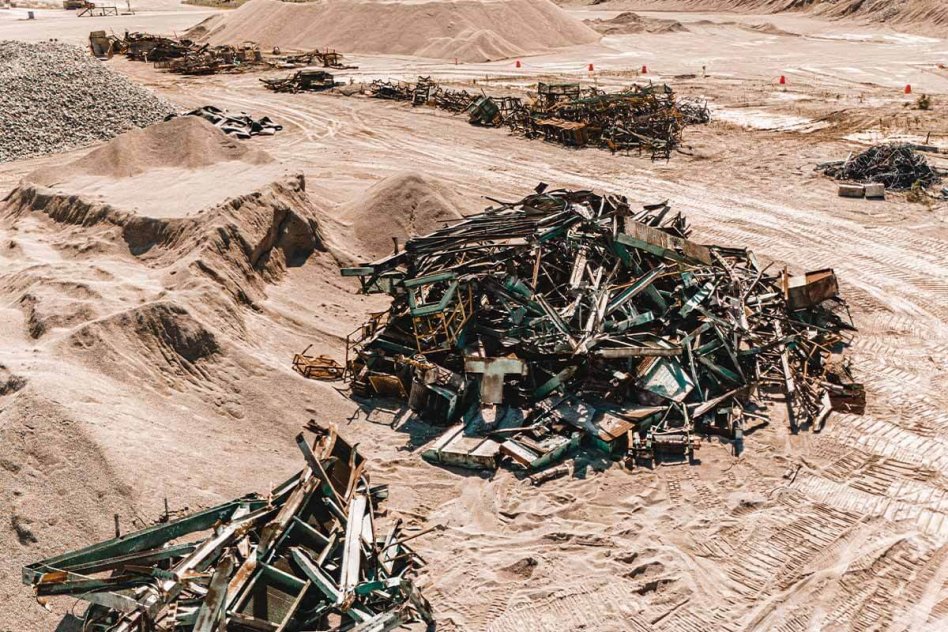
DIVERTING WASTE FROM LANDFILL SITES
Our goal is to recycle 95 —100% of jobsite material. This commitment is the Priesty Way , and has been part of our DNA for more than 35+ years. We are a recognized leader in the demolition industry for environmentally responsible solutions.
We partner with environmental consulting groups, government agencies, and developers to design comprehensive programs that will help transform commercial, industrial, civil structures while diverting landfill waste, reduce the carbon footprint, meet LEED certification and help clients meet their financial goals. Our teams are also trained to identify larger assets in building structures that can be resold, reused or up-cycled.
Demolition’s Impact on the Environment
According to Science Direct and EPA’s reporting, in 2020, construction and demolition waste (CDW) accounted for 30% of the world’s solid waste, with approximately 90% of that stemming from demolition.
In order to reduce the amount of waste generated, the government of Canada declared they were aiming to divert 90% of CDW by 2030. As of 2025 in Canada, we have seen reports of up to 77% of CDW diverted from landfills.
This is why we see salvage as our duty investing in the planet’s future. Salvaging materials in a manner that ensures a positive environmental impact is not just a corporate responsibility but an industry imperative.
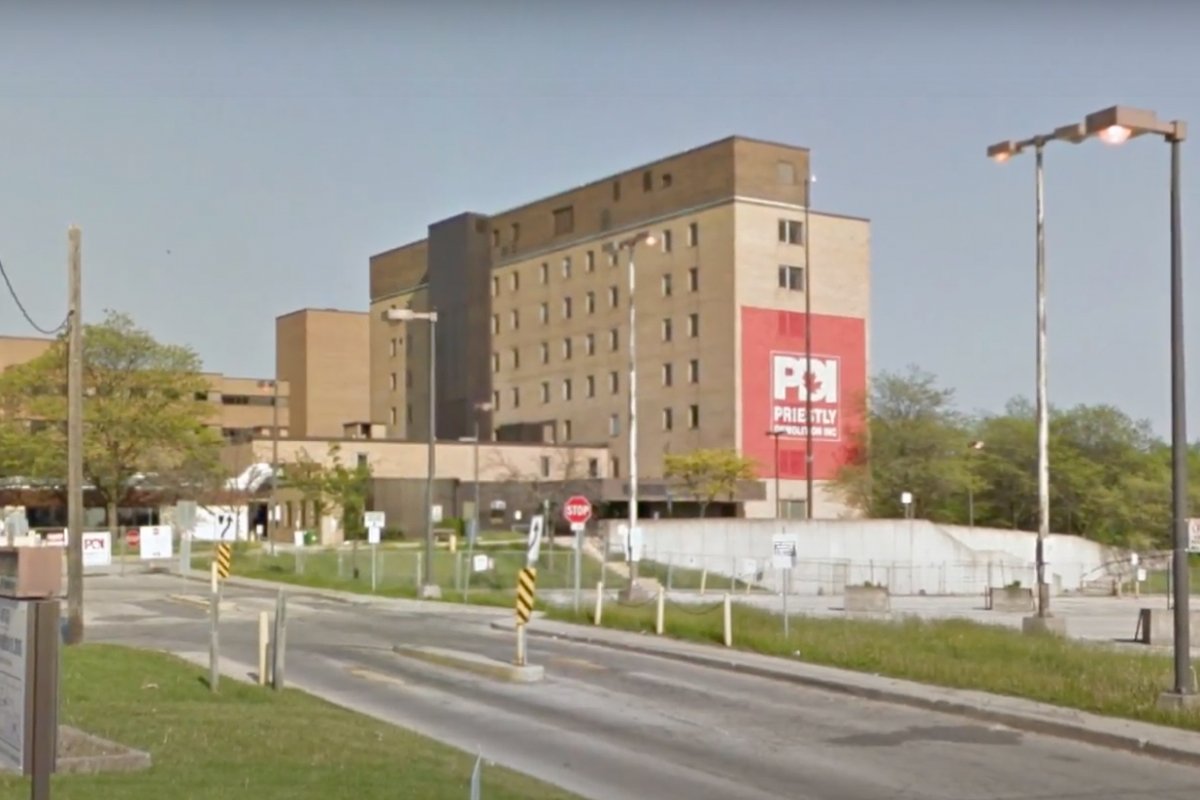
Humber Hospital
2017 World Demolition Award Winner for Recycling and Environmental
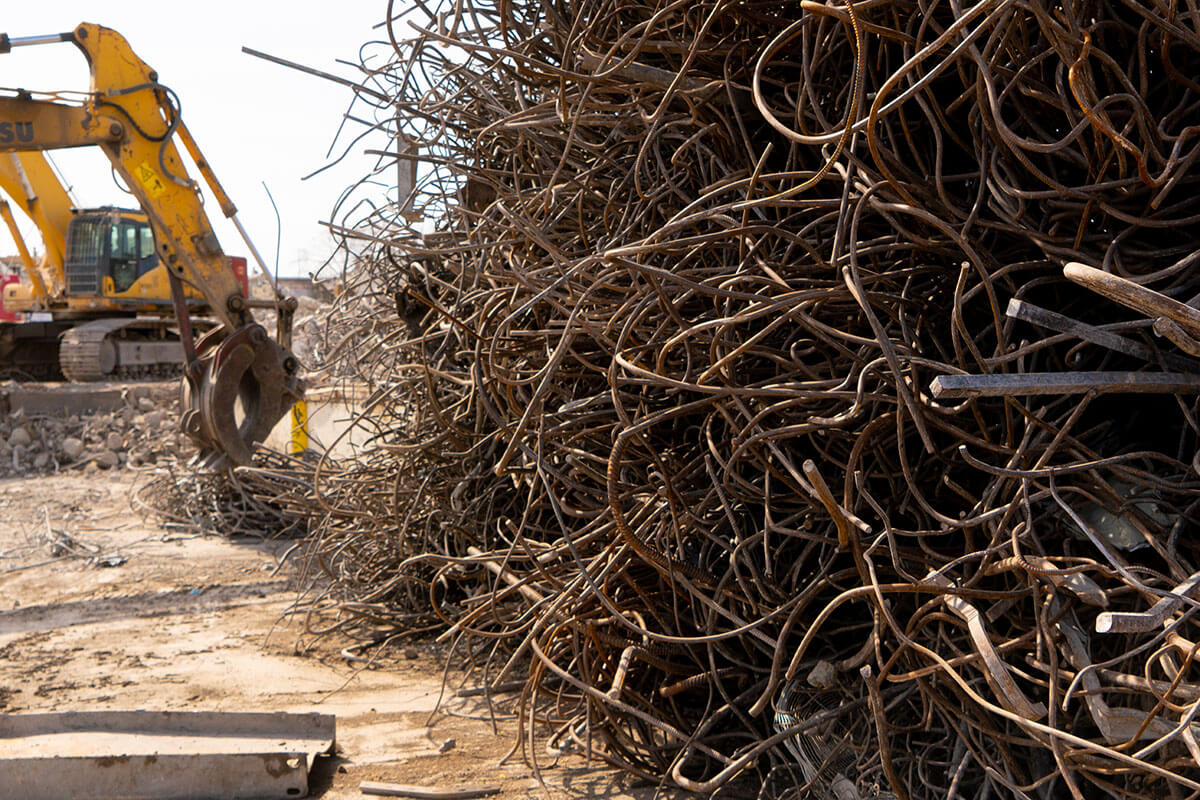
In 2017, PDI was awarded the prestigious World Demolition Award for innovative solutions and exceptional work on this project. We salvaged more than 90 per cent of materials for recycling, and recovered 850 metric tonnes of steel and rebar just from the concrete processing activity.
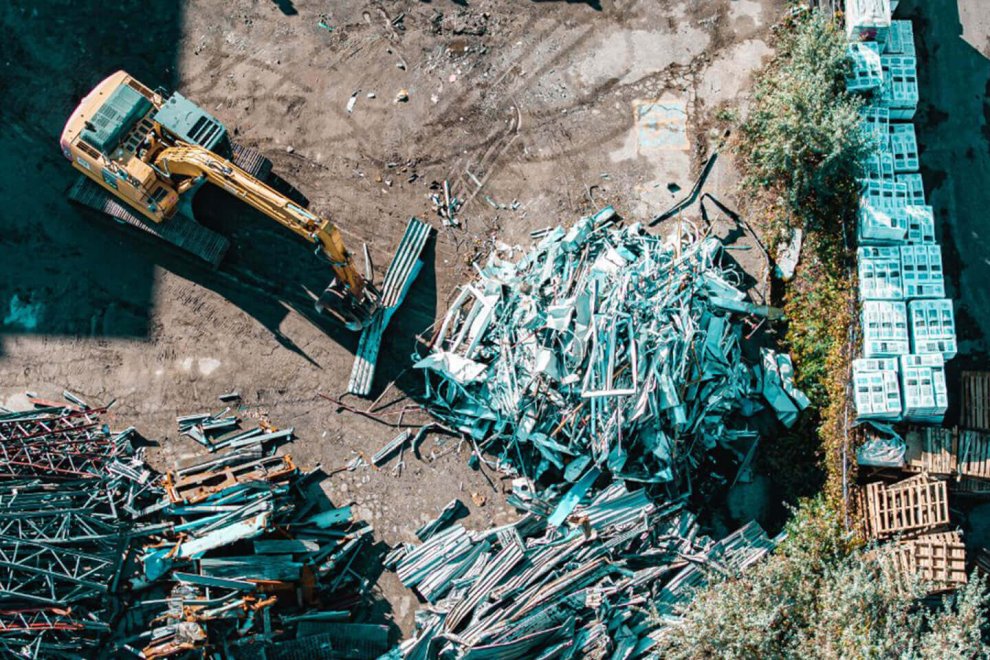
In total, there was 3,550 metric tonnes of steel, 4,267 metric tonnes of brick, 323 metric tonnes of asphalt, 337 metric tonnes of soil remediated, 1,264 florescent light tubes and 230 smoke detectors recycled. Another 1,590 metric tonnes of construction and demolition waste was trucked for further processing off site.
Environmental, Social and Governance (ESG) programs ensure accountability by implementing systems to improve each pillar of ESG. Our asset recovery and salvaged material operations can help to reduce the amount of waste sent to landfills from demolition jobsites. This contributes material and assets to the circular economy and helps to lower the overall carbon footprint of future structures.
By ensuring that we create a more sustainable future, we fulfill our mission and help your organization achieve ESG goals.
Demolition’s Role in LEED Certification
Demolition can contribute to various categories depending on the project. Commonly, there are two major credit categories for LEED accreditation – sustainable sites (SS) and material and resources (MR). Typical demolition activities include
Pre-demo audits / material inventories
Selective dismantling
Concrete crushing and reuse
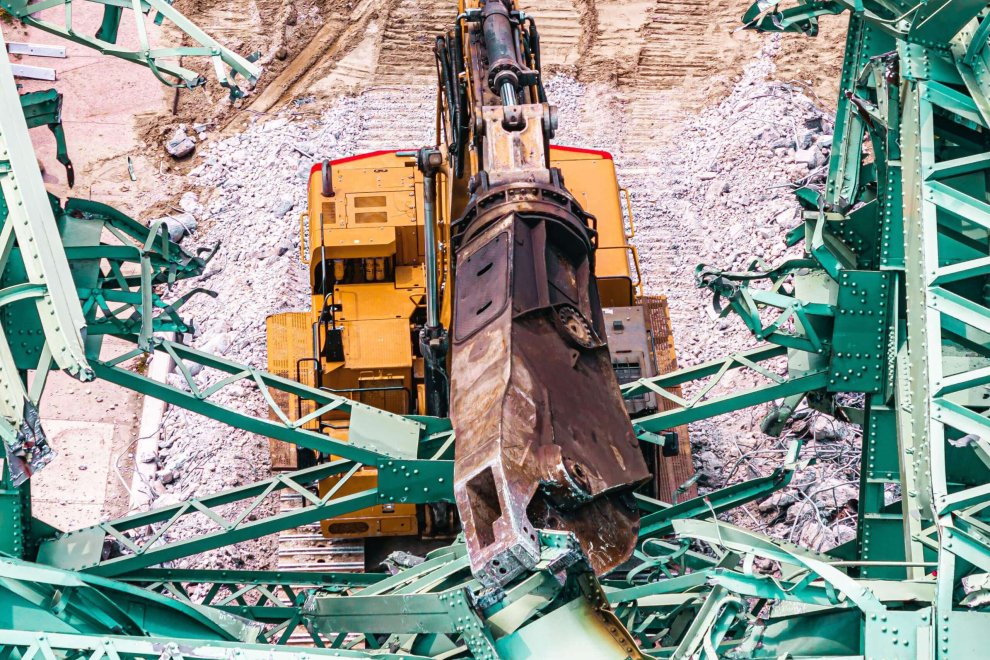
Metal separation and recycling
Detailed waste tracking & reporting
Hazardous material abatement
Read more about how Priestly Demolition is committed to environmental and ESG initiatives.
How Demolition Contributes to LEED Certification Leadership in Energy and Environmental Design (LEED) is the world’s most widely used and recognized certification system for sustainable buildings and construction practices. When was LEED First Developed? The U.S. Green Building Council…
The Environmental Benefits of Material Salvage in Demolition The construction and demolition (C&D) industry is at a crossroads where sustainability is no longer just an option but a necessity. Global waste production is constantly escalating at an alarming rate. Priestly…
With 500+ demolition experts on staff across North America, we have the ability to mobilize quickly and efficiently across the country as well as to remote locations. We have offices in Ontario, Alberta, British Columbia, Ohio, and Kentucky.